
DIY HVAC Troubleshooting Tips for Common Problems


Understanding Your HVAC System
A well-functioning HVAC system is crucial for maintaining comfort in your home throughout the year. However, like any other mechanical system, it can occasionally run into problems. Before calling in a professional, there are several DIY troubleshooting tips you can try to resolve common HVAC issues yourself.
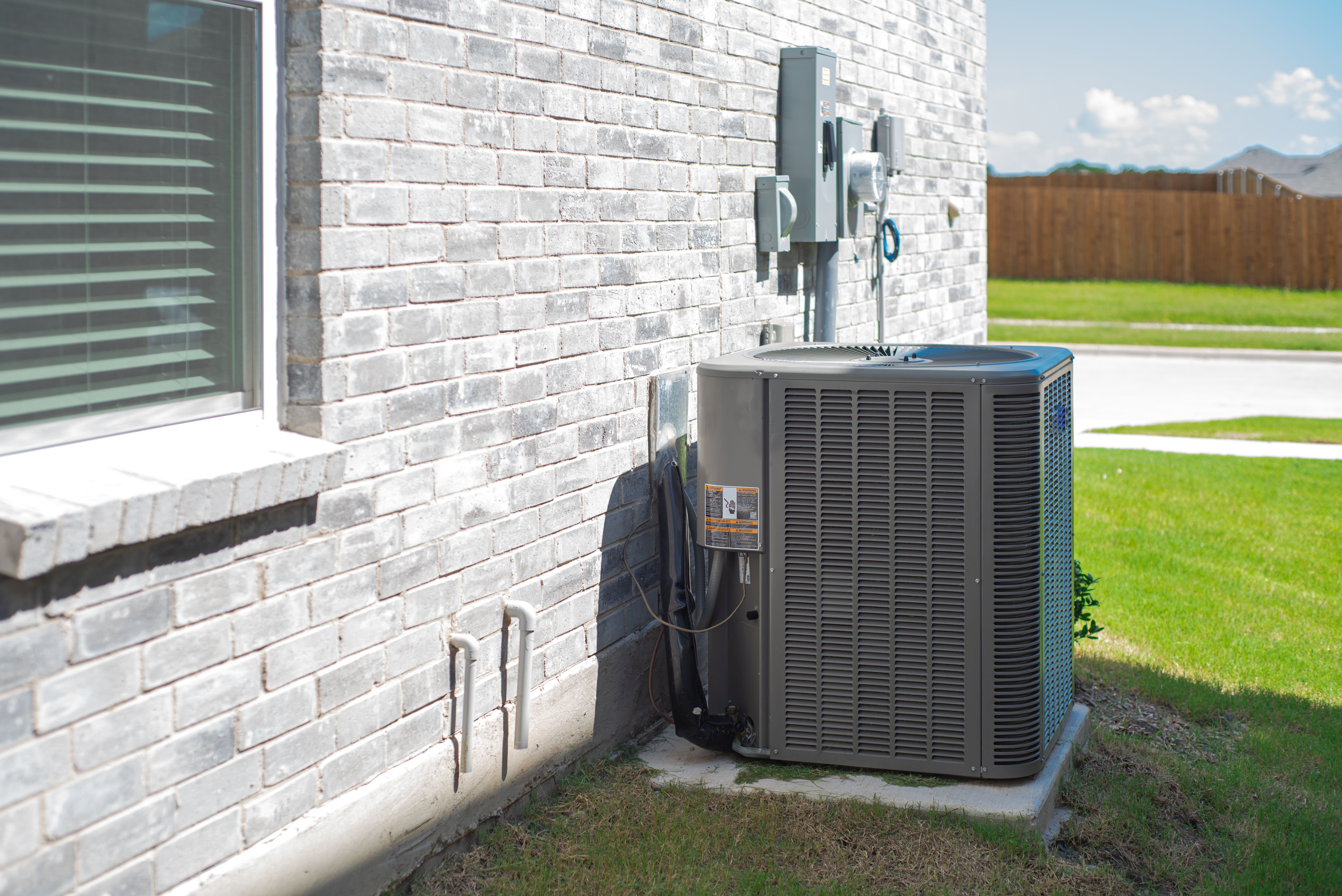
Understanding the basic components of your HVAC system is the first step in troubleshooting. Most systems consist of a furnace, air conditioner, ductwork, and thermostat. Knowing how these parts work together can help you identify potential problems and solutions.
Common HVAC Issues and Solutions
No Cooling or Heating
If your HVAC system isn't cooling or heating properly, the first thing to check is the thermostat settings. Ensure that it is set to the correct mode (cooling or heating) and that the temperature setting is appropriate. Sometimes, simply replacing the batteries in a digital thermostat can solve the issue.
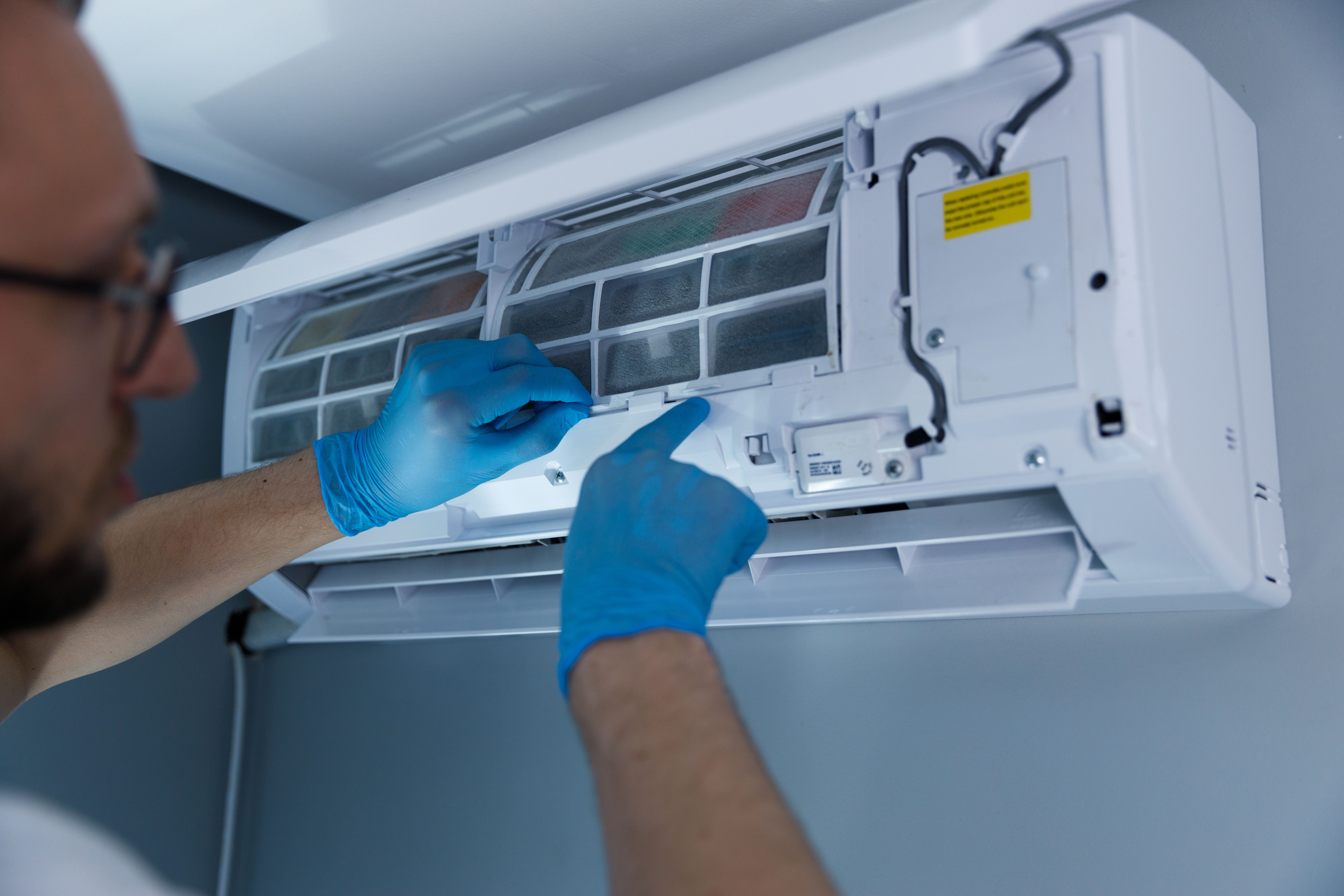
Another common culprit for a lack of cooling or heating is a dirty air filter. A clogged filter can restrict airflow, causing the system to work harder and less efficiently. Replace the filter regularly—ideally every 1-3 months—to ensure optimal performance.
Unusual Noises
Unusual noises from your HVAC system can be alarming. Rattling sounds may indicate loose components, while squealing noises could be a sign of a problem with the blower motor or fan belt. Carefully inspect these parts and tighten or replace them as necessary.
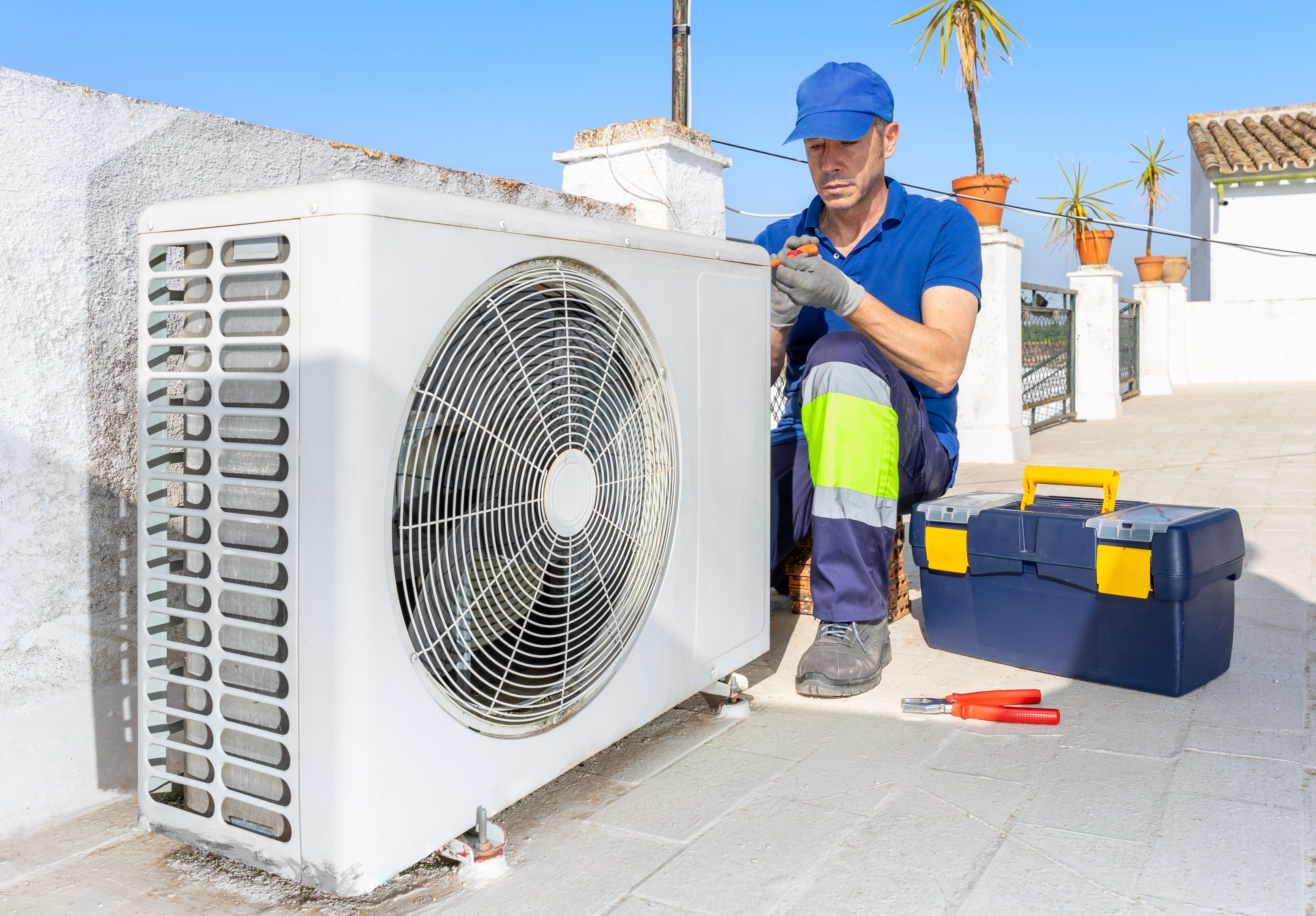
If you hear a hissing sound, it might be due to a refrigerant leak. This issue requires professional attention, but you can check for visible signs of leaks around your outdoor unit and ensure the unit is level and clear of debris.
Addressing Airflow Problems
Poor airflow can be caused by various factors, including blocked vents or ductwork issues. Start by checking all vents to make sure they are open and unobstructed by furniture or other items. It’s also wise to inspect your ductwork for any visible damage or disconnections that might be affecting airflow.
Another important aspect to consider is the blower motor. If it’s malfunctioning or dirty, it may not be circulating air properly. In some cases, cleaning or lubricating the motor can improve its function. If not, it may need replacement.
Regular Maintenance
Regular maintenance is key to keeping your HVAC system running smoothly and preventing future problems. Schedule annual inspections with a professional to ensure that all components are functioning correctly and efficiently.
Additionally, you can perform simple maintenance tasks yourself, such as cleaning the outdoor condenser unit, checking refrigerant levels, and ensuring that your thermostat is working properly. These proactive measures can help extend the life of your HVAC system and improve its performance.
When to Call a Professional
While many HVAC issues can be addressed with DIY troubleshooting, some problems require professional expertise. If you’ve tried these tips and your system is still not functioning correctly, it’s time to call in an HVAC technician.
Professionals have the tools and experience needed to diagnose and repair complex issues safely and effectively. Don’t hesitate to reach out for help if you’re unsure about any aspect of your HVAC system’s operation.